Menopause Is Having a Moment. So, Who Can You Trust?
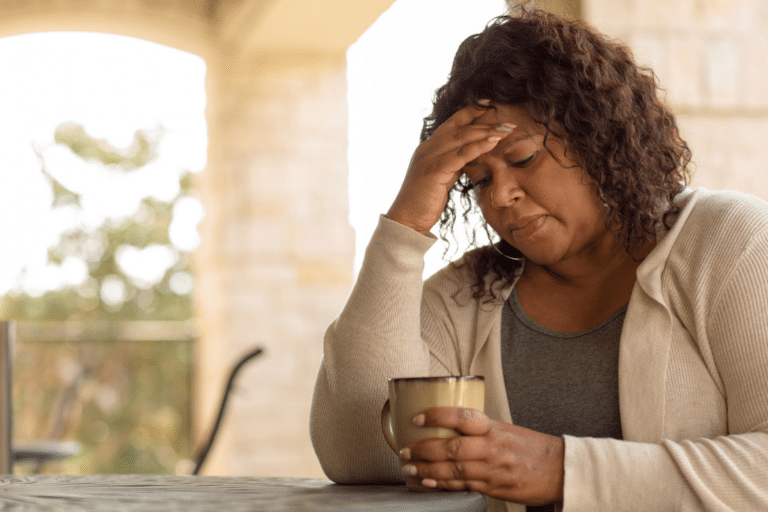
Rebecca is sitting in her car after her doctor’s appointment, trying not to cry.
She has not slept well in months. Her anxiety is through the roof. Her periods are crime-scene-worthy. Her body feels unfamiliar. Her weight is shifting even though she is doing “all the right things.” She made this appointment after finally working up the courage to ask about perimenopause. She arrived with hope and left feeling completely deflated.
The answer she got was, “Your labs are normal. You’re too young to be in perimenopause. It must be stress. Would you like to try an antidepressant?”
So she goes home and does what women have always done when the system does not give them answers.
She hits up Dr. Google, followed by ChatGPT.
She finds a podcast. Then an Instagram account. Then a menopause coach. Then a physician with a membership program. Then a supplement company. Then a pharmacist. Then a nutritionist. Then a functional medicine practitioner. Then another doctor calling everyone else a scammer.
Her eyes glaze over and she goes to the kitchen for a glass of wine. Now she is not just tired. She is confused.
This is where we are in women’s health right now.
Menopause is finally getting attention, and thank goodness. But it has also become a marketplace. There are programs, books, supplements, courses, telehealth companies, hormone clinics, coaching packages, diagnostic tests, wearable devices, and endless social media opinions.
Some of this is excellent.
Some of it is garbage.
Most of it lives somewhere in the messy middle.
And here is what I want to say clearly: calling everyone who sells something a scammer is bullshit. It is also not helpful to the women who are trying to make good decisions in a very LOUD space.
Menopause Is Big Business Now
For decades, menopause was treated like a footnote in women’s health.
Now, it is a business category.
Companies have realized that midlife women are not a niche market. We are educated. We are motivated. We are spending money on our health. We are tired of being dismissed. And we are looking for solutions.
That has created a wave of menopause-focused clinics, coaching programs, supplements, skin care, wearables, workplace programs, testing platforms, and telehealth services.
There is nothing necessarily wrong with that. Women need better access to care, education and affordable options. They need clinicians who understand hormones, metabolic health, bone health, cardiovascular risk, sleep, mood, libido, gut health, and the full picture of midlife health.
But when a neglected area suddenly becomes profitable, everyone who thinks they can cash in shows up.
That is why discernment matters.
Selling Something Does Not Automatically Make Someone Unethical
Let’s be honest. Almost everyone online is selling something.
Physicians may sell appointments, memberships, books, courses, speaking engagements, podcasts, branded programs, or supplement lines.
Health coaches may sell coaching packages, courses, group programs, affiliate products, or wellness plans.
Authors sell books.
Podcasters sell ads.
Influencers sell sponsorships.
Functional medicine providers sell testing and programs.
Pharmacists, dietitians, nurse practitioners, therapists, trainers, and nutrition professionals may all sell services.
Selling is not the problem.
The problem is when someone is not transparent about what they are selling.
The problem is when someone exaggerates results.
The problem is when someone uses fear to push a product.
The problem is when someone practices outside their scope.
The problem is when someone claims their way is the only way.
The problem is when someone cannot explain risks, limitations, or alternatives.
Licensure Matters, But It Is Not the Whole Story
I am a licensed pharmacist. I take licensure seriously because I worked very hard to get it!
Licensure means there is a governing board, a defined scope of practice, standards for education, and accountability. That matters. When someone is giving medical advice, interpreting labs, recommending hormone therapy, discussing medications, or evaluating risk, credentials matter.
But licensure alone does not guarantee expertise in menopause. Many women have already discovered this the hard way.
They have seen licensed clinicians who were kind but not informed. Or informed in one narrow area but not in the whole picture. Or rushed. Or dismissive. Or still practicing from outdated fear-based information.
At the same time, being unlicensed does not automatically mean someone is uneducated or unethical.
A health coach may have excellent training in behavior change, nutrition foundations, stress physiology, sleep habits, strength training, and habit formation. Those things are really important for midlife health.
But a health coach should not diagnose disease, prescribe hormones, tell someone to stop medication, interpret complex labs as if they are a clinician, or claim to treat medical conditions unless they are licensed to do so.
It’s not as simple as, “Licensed good, unlicensed bad.”
The question is, “What is this person trained to do, what are they legally allowed to do, and are they honest about what’s in their scope?”
Why the Bashing Is Not Helping Women
I understand why some physicians are frustrated.
There are people online making outrageous claims. There are influencers selling hormone “detoxes” that make no physiologic sense. There are supplement stacks being recommended with no medication review, no health history, no lab context, and no discussion of risks.
That should be called out.
But calling people names is not the same as educating the public.
When physicians, coaches, and other professionals bash each other online, women are left wondering who to trust. The conversation becomes territorial instead of useful.
And honestly, if conventional medicine were doing such an excellent job with menopause care, women would not be searching so desperately elsewhere.
Many physicians are doing beautiful, evidence-based, compassionate work. I know many of them.
But the system is strained and not set up to benefit the patient OR the physician, thanks largely to insurance companies who make the rules. Visits are short. Menopause education has historically been almost non-existent. Insurance does not reward long conversations about sleep, nutrition, stress, libido, body composition, bone health, and quality of life. So you do what you can in a 7-minute visit.
This leaves women looking elsewhere because they are not getting what they need.
Want to create a custom longevity health plan?
You’re in the right place.
I can help you with a functional approach to midlife women’s health including hormone balance, gut health, autoimmune issues, bone health, heart health and more!
The Better Standard: Qualified, Transparent, Evidence-Informed, and In Scope
Here is what I wish we would focus on instead.
Is the person qualified for what they are offering?
Are they transparent about their training, credentials, and financial interests?
Do they stay within their scope?
Do they explain risks and limitations?
Do they use evidence without pretending that every question is settled?
Do they know when to refer out?
Do they respect both science and the woman sitting in front of them?
That should be the bar we’re all striving for.
How to Find Qualified Menopause Help Online
Here are the questions I would ask before hiring anyone, whether they are a physician, pharmacist, nurse practitioner, dietitian, therapist, trainer, health coach, functional medicine provider, or online menopause expert.
1. What are your credentials and training?
Look for specifics.
Not “hormone expert.”
Not “gut guru.”
Not “certified in women’s wellness” with no explanation.
Ask:
- What is your degree or license?
- Are you currently licensed?
- What certifications do you hold?
- Who issued them?
- How much training did they require? (if the answer is “a weekend”, keep looking)
- Do you complete continuing education in menopause or midlife women’s health?
For menopause-specific care, The Menopause Society Certified Practitioner credential can be a starting place as it shows that the practitioner passed a test. However, it says nothing about bedside manner. Choose wisely.
2. What is your scope of practice?
A physician, nurse practitioner, or physician assistant may diagnose and prescribe within their license.
A pharmacist may provide medication expertise, supplement review, education, and in some states collaborative care services, (including prescribing) depending on the setting and laws.
A registered dietitian can provide medical nutrition therapy.
A therapist can support mental health and trauma work.
A personal trainer can guide strength, mobility, and fitness.
A health coach can help with habits, accountability, lifestyle change, and behavior support.
All of these roles are valuable because God knows it takes a village to navigate menopause.
But each person needs to know where their role ends.
A trustworthy professional will not be offended by this question.
3. Do you make clear when something is education versus medical advice?
This is especially important online.
General education is not the same as individualized medical care. A post about magnesium is not the same as knowing your kidney function, medication list, bowel habits, sleep pattern, anxiety history, and hormone status.
Good information still has to be applied carefully.
A qualified professional should be clear about what is general education and what requires individual evaluation.
4. What do you sell, and how are you paid?
This is not rude. It is smart.
Ask:
- Do you sell supplements?
- Do you earn affiliate commissions?
- Do you sell lab testing?
- Do you sell a course, program, or membership?
- Are you paid by a brand?
- Do you disclose financial relationships?
Again, selling is not the problem.
Hidden incentives are the problem.
5. What evidence supports your approach?
You do not need someone who can recite every study ever published.
You do need someone who can explain why they recommend what they recommend.
They should be able to say:
- Here is what we know.
- Here is what we do not know.
- Here is where the evidence is strong.
- Here is where it is emerging.
- Here is why I think this may or may not fit you.
- Here are the risks.
Beware of anyone who speaks only in absolutes.
6. Do you individualize recommendations?
Midlife women are not all the same.
A 44-year-old with heavy periods, migraines, low ferritin, anxiety, and insomnia needs a different conversation than a 62-year-old with osteoporosis, vaginal dryness, high LDL, and a family history of heart disease.
Your plan should not be a copy-paste protocol.
It should reflect your symptoms, history, labs when appropriate, medications, preferences, risks, goals, and budget.
7. Are supplements chosen carefully?
Supplements can be helpful. They can also be unnecessary, poor quality, expensive, contaminated, or inappropriate for your situation.
A good supplement recommendation should include:
- Why it is being used
- What dose is appropriate
- How long to try it
- What outcome you are watching
- Possible side effects
- Medication interactions
- Quality standards
- When to stop or at least reassess
More is not better.
A giant supplement plan is not automatically sophisticated. Sometimes it is just expensive clutter.
8. Do they collaborate with other professionals?
No one owns menopause.
The best care often includes a team: prescribing clinician, pharmacist, dietitian, therapist, pelvic floor therapist, trainer, health coach, and sometimes specialists in cardiology, endocrinology, gynecology, sleep medicine, or sexual medicine.
A good professional does not need to be the hero of every story.
They should know when to bring in someone else.
Red Flags to Watch For
Be cautious if someone:
- Guarantees results
- Claims one test explains everything
- Says all physicians are clueless
- Says all coaches are scammers
- Uses fear as the main sales tool
- Tells you to stop medication without involving your prescriber
- Recommends hormones without reviewing your medical history
- Pushes a long supplement list without explaining why
- Makes disease-treatment claims for supplements
- Cannot explain their training
- Refuses to discuss risks
- Uses cherry-picked evidence
- Says their method works for everyone
- Dismisses your intuition or your symptoms
You deserve better than that.
Green Flags to Look For
Look for someone who:
- Is clear about credentials and scope
- Uses plain language
- Welcomes questions
- Explains risks and benefits
- Individualizes recommendations
- Refers out when needed
- Coordinates with your medical team
- Discloses financial relationships
- Updates their knowledge
- Does not shame you
- Does not oversell certainty
- Treats you like an adult partner in your care
That last one is a big deal.
You are not a passive recipient of advice. You are the person living in your body 24/7 and you are in charge of it.
Where I Stand
As a pharmacist, I believe credentials matter.
As a woman who has worked in healthcare for decades, I also know credentials do not automatically equal curiosity, humility, or menopause expertise.
I sell services. I recommend supplements when I believe they are appropriate. I believe in the work I do.
I also believe women deserve transparency.
They deserve to know what is evidence-based, what is promising but not proven, what is outside my lane, and when they need a prescriber, specialist, therapist, or other member of the team.
That is not scamming.
That is ethical care.
The online menopause space does not need more name-calling. It needs more professionalism, more transparency, more collaboration, and more respect for women’s ability to make informed decisions.
There is more than enough work to go around.
The real competition is not between physicians and coaches, or pharmacists and influencers, or conventional medicine and functional medicine.
The real competition is against misinformation, dismissal, fear, and women being left to figure it all out alone.
Bottom Line
Menopause is having a moment, and it is about time.
But the moment comes with noise.
Some online advice is excellent. Some is dangerous. Some licensed professionals are menopause-informed. Some are not. Some unlicensed coaches are thoughtful and well-trained. Some are way outside their lane.
Your job is not to pick the loudest voice.
Your job is to find the most qualified, ethical, transparent, and aligned support for you.
Ask questions. Check credentials. Follow the money. Look for evidence. Notice whether the person respects your body, your goals, your budget, and your intelligence.
And please remember this:
You are allowed to seek help from someone who resonates with you.
Just make sure they are qualified to help you with the problem you are trusting them to solve.
References
American College of Obstetricians and Gynecologists. (n.d.). Hormone therapy for menopause. https://www.acog.org/womens-health/faqs/hormone-therapy-for-menopause
Federal Trade Commission. (2023, June 29). FTC’s endorsement guides: What people are asking. https://www.ftc.gov/business-guidance/resources/ftcs-endorsement-guides-what-people-are-asking
Grand View Research. (n.d.). Menopause market size & share: Industry report, 2030. Retrieved June 28, 2026, from https://www.grandviewresearch.com/industry-analysis/menopause-market
McKinsey Health Institute. (2024, January 17). Closing the women’s health gap: A $1 trillion opportunity to improve lives and economies. McKinsey & Company. https://www.mckinsey.com/mhi/our-insights/closing-the-womens-health-gap-a-1-trillion-dollar-opportunity-to-improve-lives-and-economies
National Academies of Sciences, Engineering, and Medicine. (2024). Overview of research gaps for selected conditions in women’s health research at the National Institutes of Health: Proceedings of a workshop in brief. The National Academies Press. https://doi.org/10.17226/27932
National Institutes of Health, Office of Dietary Supplements. (2023, January 4). Dietary supplements: What you need to know. https://ods.od.nih.gov/factsheets/WYNTK-Consumer/
PwC. (n.d.). Unlocking the menopause market: A defining opportunity in women’s health. Retrieved June 28, 2026, from https://www.pwc.com/us/en/industries/health-industries/library/unlocking-the-menopause-market.html
The Menopause Society. (n.d.-a). Certification examination. Retrieved June 28, 2026, from https://menopause.org/professional-resources/mscp-certification
The Menopause Society. (n.d.-b). Choosing a healthcare practitioner. Retrieved June 28, 2026, from https://menopause.org/patient-education/choosing-a-healthcare-practitioner
The Menopause Society. (n.d.-c). Find a menopause clinician. Retrieved June 28, 2026, from https://portal.menopause.org/NAMS/NAMS/Directory/Menopause-Practitioner.aspx
U.S. Food and Drug Administration. (2022, October 21). Information for consumers on using dietary supplements. https://www.fda.gov/food/dietary-supplements/information-consumers-using-dietary-supplements
FAQ
How do I know if a menopause provider is qualified?
Look for clear credentials, current licensure when medical advice is being given, menopause-specific training, transparent financial disclosures, and a willingness to explain risks, benefits, and alternatives. The Menopause Society Certified Practitioner credential can be a helpful marker for licensed professionals with additional menopause training.Are health coaches qualified to help with menopause?
Some are qualified to help with lifestyle habits, sleep routines, nutrition basics, stress support, exercise accountability, and behavior change. They should not diagnose, prescribe, interpret complex labs as medical advice, or tell you to stop medication unless they are also licensed to do so.Is it bad if a menopause expert sells supplements?
Not automatically. Selling supplements is not the problem. The key questions are whether the person discloses financial interests, recommends products based on your individual needs, considers medication interactions, uses reputable brands, and avoids exaggerated disease-treatment claims.Why are so many women turning to online menopause help?
Many women feel dismissed, rushed, or underserved in traditional care. Menopause education has historically been limited, visits are short, and women often want more time, context, and individualized support than the standard system provides.What are red flags in online menopause advice?
Watch for guarantees, fear-based marketing, one-size-fits-all protocols, claims that one test explains everything, supplement plans with no rationale, advice to stop medications without your prescriber, and anyone who refuses to discuss risks or limitations.Can a team approach work better?
Yes. Menopause can affect sleep, mood, metabolism, bones, heart health, sexual health, gut health, and relationships. Many women benefit from a team that may include a prescriber, pharmacist, dietitian, therapist, trainer, pelvic floor therapist, or qualified coach.Dr. Anna Garrett is a menopause expert and Doctor of Pharmacy. She helps women who are struggling with symptoms of perimenopause and menopause find natural hormone balancing solutions so they can rock their mojo through midlife and beyond. Dr. Anna is the author of Perimenopause: The Savvy Sister’s Guide to Hormone Harmony. Order your copy at www.perimenopausebook.com.
Dr. Anna is available for 1-1 consultations. Find out more at www.drannagarrett.com/lets-